Top Pick
Thorne
Thorne Magnesium Bisglycinate
★★★★★$28–$38
The most bioavailable magnesium form — supports sleep, muscle function, and gut motility.
NSF Certified · Last verified 2026-05-18
→ Check Price on AmazonConstipation affects roughly 25–30% of people on GLP-1 medications. It's uncomfortable and often underreported — but it's very manageable with the right approach.
GLP-1 medications slow gastric emptying and reduce gut motility — the muscular contractions that move food through your digestive tract. Combined with reduced food intake (less bulk) and sometimes reduced fluid intake due to nausea, constipation is a predictable downstream effect.
These are specific products we recommend based on evidence and community feedback. Links are affiliate links — we may earn a commission at no extra cost to you.
Thorne
The most bioavailable magnesium form — supports sleep, muscle function, and gut motility.
NSF Certified · Last verified 2026-05-18
→ Check Price on Amazon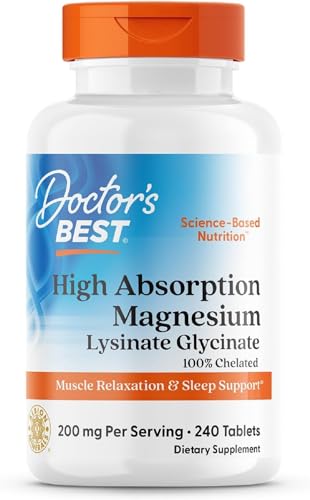
Doctor's Best
Same highly bioavailable form as Thorne at half the price.
Verification varies by brand · Last verified 2026-05-18
→ Check Price on AmazonMetamucil
Capsule format for people who find the powder texture unpleasant — same reliable psyllium husk.
Verification varies by brand · Last verified 2026-05-18
→ Check Price on AmazonSeed
A probiotic + prebiotic (synbiotic) with genuine clinical research behind specific strains.
Verification varies by brand · Last verified 2026-05-18
→ Check PriceCulturelle
The most studied single-strain probiotic — Lactobacillus rhamnosus GG has more clinical evidence than almost any other probiotic strain.
Clinically studied ingredient · Last verified 2026-05-18
→ Check Price on AmazonBring these to your next appointment. Your prescriber is your best resource for decisions specific to your situation.
Want to understand your medication?
Compare Ozempic, Wegovy, Mounjaro & Zepbound — active ingredients, approved uses, and trial data.
Your feedback helps us improve the guide.
Practical, judgment-free guidance delivered to your inbox. No medical advice. No fluff.
Get Free Guide + Newsletter →